
Heat Shrink for Automotive Wiring: What You Must Know
- May 6
- 3 min read
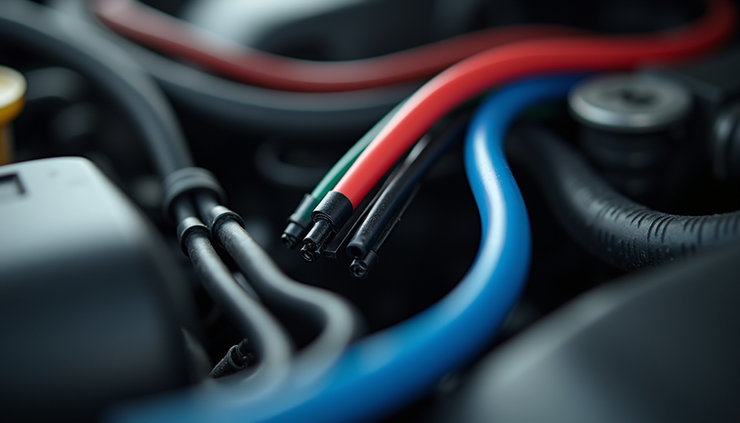
Automotive wiring faces tough conditions: heat, moisture, vibration, and exposure to chemicals. Protecting these wires is critical to ensure vehicle safety and performance. Heat shrink tubing offers a simple, effective solution for insulating and securing automotive wiring. This post explains what heat shrink is, why it matters for automotive wiring, and how to use it properly.
What Is Heat Shrink Tubing?
Heat shrink tubing is a flexible plastic tube that shrinks when heated. It fits over wires or connections and contracts to form a tight seal. This seal protects wires from abrasion, moisture, dust, and chemicals. Heat shrink tubing comes in various sizes, colors, and materials to suit different wiring needs.
The most common materials include:
Polyolefin: Durable, flexible, and resistant to heat and chemicals. Ideal for automotive use.
PVC: Less expensive but less heat resistant.
Fluoropolymer: High temperature resistance for specialized applications.
Polyolefin heat shrink is the best choice for automotive wiring because it balances durability and flexibility.
Why Use Heat Shrink in Automotive Wiring?
Automotive wiring runs through harsh environments. Heat shrink tubing offers several key benefits:
Protection from moisture and corrosion: Shrinking tubing seals out water and contaminants that cause corrosion.
Mechanical protection: It guards wires against abrasion from vibration and contact with metal parts.
Electrical insulation: Prevents short circuits by insulating exposed wire connections.
Strain relief: Reduces stress on wire joints and connectors, preventing breaks.
Neat wiring: Bundles wires together for a clean, organized look.
For example, heat shrink tubing is essential when splicing wires or attaching connectors in engine compartments where heat and moisture are common.
Choosing the Right Heat Shrink Tubing
Selecting the correct tubing depends on the application:
Size: Choose tubing with a diameter slightly larger than the wire or connector before shrinking. Check the shrink ratio (commonly 2:1 or 3:1) to ensure it will fit tightly after heating.
Material: Use polyolefin tubing for most automotive wiring. For high-temperature areas near the engine, select tubing rated for temperatures above 125°C.
Wall thickness: Thicker walls provide better protection but reduce flexibility. Medium wall thickness is usually best for wiring harnesses.
Color coding: Use different colors to identify wires or circuits easily.
How to Apply Heat Shrink Tubing Correctly
Proper application ensures the tubing performs well:
Cut tubing to length: Allow extra length to cover the entire exposed wire or splice plus some overlap.
Slide tubing over wire or connector before making any connections.
Make the wire connection or splice securely.
Position tubing over the connection so it covers all exposed metal.
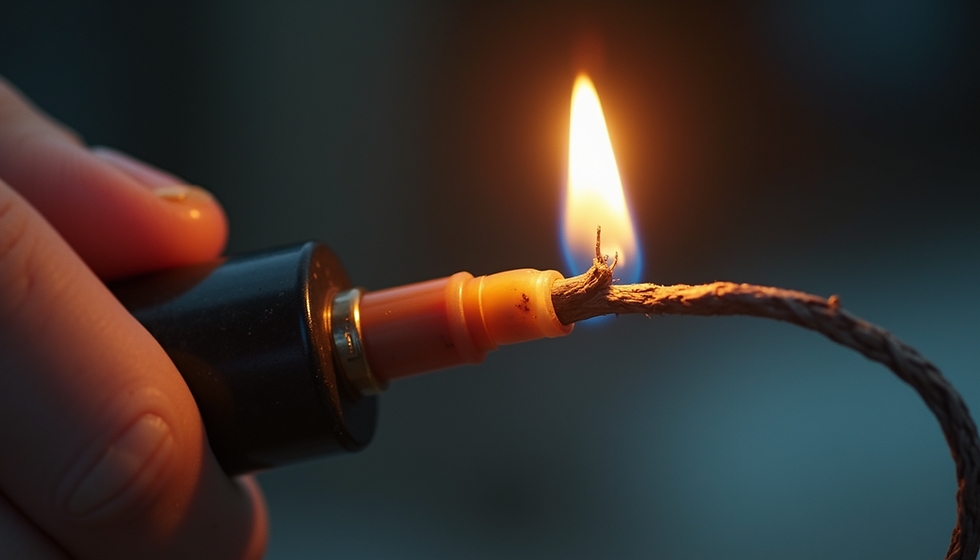
Heat tubing evenly using a heat gun. Avoid open flames which can damage the tubing or wire insulation.
Allow tubing to cool and form a tight seal.
Avoid overheating as it can cause tubing to burn or become brittle. The tubing should shrink smoothly without bubbles or gaps.
Common Uses of Heat Shrink in Automotive Wiring
Heat shrink tubing is versatile in automotive electrical work:
Wire splices and repairs: Insulate and protect soldered or crimped connections.
Connector protection: Seal connectors from moisture and dirt.
Bundling wires: Group multiple wires into a single harness for organization.
Labeling wires: Use colored tubing or printed heat shrink labels for identification.
Strain relief: Reinforce areas where wires bend or connect to prevent damage.
For example, when installing aftermarket audio systems, heat shrink tubing helps protect speaker wire splices and connections from vibration and moisture.

Tips for Best Results
Use a quality heat gun with adjustable temperature settings for precise control.
Test tubing on scrap wire to find the right heating time.
Combine heat shrink with electrical tape or liquid electrical tape for extra protection in harsh environments.
Inspect tubing regularly for cracks or damage, especially in older vehicles.
Store heat shrink tubing in a cool, dry place to maintain flexibility.
Summary
Heat shrink tubing is a simple, affordable way to protect automotive wiring from damage caused by heat, moisture, and vibration. Choosing the right tubing and applying it correctly ensures long-lasting insulation and mechanical support. Whether repairing wires or building wiring harnesses, heat shrink tubing improves safety and reliability in automotive electrical systems.

Comments